What Makes an Assisted Living Neighborhood Feel Like Home?
Business Name: BeeHive Homes of Goshen
Address: 12336 W Hwy 42, Goshen, KY 40026
Phone: (502) 694-3888
BeeHive Homes of Goshen
We are an Assisted Living Home with loving caregivers 24/7. Located in beautiful Oldham County, just 5 miles from the Gene Snyder. Our home is safe and small. Locally owned and operated. One monthly price includes 3 meals, snacks, medication reminders, assistance with dressing, showering, toileting, housekeeping, laundry, emergency call system, cable TV, individual and group activities. No level of care increases. See our Facebook Page.
12336 W Hwy 42, Goshen, KY 40026
Business Hours
Home is not simply a roof, a floor plan, or a favorite chair in the edge. For older grownups thinking about assisted living, "home" normally indicates something far more sensible and far more personal. It implies recognizing where the coffee remains in the early morning, identifying the people that stroll by your door, feeling risk-free adequate to sleep well, and having sufficient option left in the day to seem like yourself.
That is why two assisted living neighborhoods can supply almost the very same solutions on paper and still feel completely various in real life. One might be clean, effective, and well-run, but feel impersonal. An additional may have the same level of care, yet somehow really feel warmer the moment you stroll in. The difference usually boils down to details that are very easy to forget if you are only comparing sales brochures, regular monthly rates, or looking for "assisted living near me" on a phone late at night.
A home-like area is rarely improved one large feature. It is usually the outcome of numerous small, consistent selections made by management, personnel, citizens, and families. The shades on the walls matter a little. The food matters more than people anticipate. The way staff members welcome locals issues every single day. So does privacy, freedom, and whether a resident can maintain their routines intact, also as they obtain aid with showering, medicine suggestions, clothing, or meals.
Familiarity brings more weight than luxury
People in some cases assume that a home-like setting has to appear like a designer design home. In technique, the opposite is typically true. A place can be lovely and still really feel cool if it is as well brightened to be stayed in. What most residents reply to is knowledge. A preferred recliner, a family quilt, framed pictures, a lamp from home, and a bookshelf that reflects a life well lived can transform the feeling of a space more than costly furnishings ever will.
The finest assisted living communities understand this. They do not deal with customization as a small information. They urge it because it aids locals orient themselves, loosen up, and preserve identification. Relocating from a long time home to senior living can feel disorienting, especially for someone that has actually spent years in one place. Recreating a feeling of continuity assists bridge that gap.
I have seen residents resolve in faster when their apartment door has a wreath they selected themselves, or when their restroom shelf is prepared in the very same order they made use of for years. Small connection matters. It is not emotional design. It is useful reassurance. It tells the mind, "This is still my life."
The tone of the personnel shapes everything
People typically focus first on the physical setup, however the genuine ambience of a neighborhood is developed by the personnel. Citizens see whether employee speak with them or about them, whether they knock prior to entering, whether they keep in mind names, and whether they seem hurried or genuinely present.
The finest staff in assisted living do greater than total jobs. They develop partnerships via rep and consistency. They recognize that likes strong coffee, that favors a quieter lunch table, and who comes to be anxious when routine changes. Those information may appear small from the outside, however they are the difference between sensation managed and sensation cared for.
A community can have exceptional professional protocols, yet if the tone is hurried or transactional, locals feel it immediately. Individuals of any age can notice when a location is just performing service. Older adults are especially proficient at reviewing whether they are really seen. A warm welcoming at breakfast, an unhurried conversation in the corridor, or a caregiver that notifications that somebody is quieter than usual can alter the emotional climate of a whole wing.
That is why families searching for senior care near me need to take note not just to qualifications, however to the rhythm of everyday interactions. Does staff seem to know residents by name? Do they make eye get in touch with? Do they appear to take pleasure in being there? Those monitorings inform you a wonderful deal.
Control over every day life maintains dignity
One of one of the most overlooked ingredients of a home-like assisted living setting is option. Older grownups hardly ever desire overall freedom in the abstract. They desire sufficient control to preserve self-respect. They intend to choose when to get up when possible, what to wear, where to rest, whether to join an activity, and just how much help they desire with individual care.

This matters greater than individuals understand. When every part of the day is determined by a routine constructed for performance, a resident can start to feel like a guest in their very own life. On the various other hand, even moderate flexibility can make an area feel considerate and familiar. If morning meal runs until a reasonable hour, if a resident can skip one activity and attend another later, if bath times are worked with around choices as opposed to benefit alone, the entire experience changes.
Good assisted living does not imply removing all friction from the day. It implies making the appropriate points easier while protecting meaningful selection. That balance takes judgment. Way too much framework can feel institutional. Insufficient framework can create confusion. A home-like setting lands somewhere between, with adequate support to reduce stress and anxiety and enough versatility to recognize personality.
Privacy issues greater than square footage
A common blunder when reviewing senior living is to focus only on house dimension. Bigger behaves, yet personal privacy is generally more important. A smaller room can really feel deeply home-like if it provides a feeling of ownership, silent, and clear boundaries.
Residents need locations where they can be alone, make a telephone call, pray, snooze, read, or merely shut the door. Shared rooms are necessary for link, yet nobody feels at home if they are always subjected. Assisted living should strike an equilibrium in between area and retreat.
The ideal neighborhoods are thoughtful regarding transitions between public and private areas. Hallways need to not feel like traffic lanes. Usual locations need to welcome discussion without compeling it. Houses must be simple to individualize, and personnel needs to understand that knocking, waiting, and valuing entry are not small politeness. They become part of maintaining a person's feeling of self.
This ends up being especially important for residents that are normally private, those changing after a healthcare facility stay, or people who are receiving respite take care of a brief period and do not yet feel resolved. When individuals know they can go back and regroup in tranquility, they loosen up right into the environment extra quickly.
Meals can make or damage the feeling of home
Few things form life more than food. A neighborhood might offer outstanding care, but if dishes are bland, rushed, or offered without interest to choice, citizens often really feel the loss promptly. Food brings memory. It notes regular. It can evoke family members, society, periods, and comfort.
Assisted living dining ought to not really feel like a snack bar line unless that is the only format a person favors. Also then, service style issues. A warm table setting, well-known food selection selections, and personnel who observe whether someone ate well can make meals feel personal instead of step-by-step. The odor of fresh bread, soup, or coffee can do more to clear up a beginner than a shiny pamphlet ever before could.
Home-like dining additionally respects that appetites change with age. Some individuals eat much less at supper and more previously in the day. Others have oral problems, ingesting concerns, or drugs that change taste. A thoughtful community changes without making the resident feeling challenging. That level of sensitivity is part of the psychological appearance of home.
Families typically inquire about food selections when they are comparing assisted living alternatives, and appropriately so. Ask not just what is offered, however how the dining-room really feels. Do homeowners remain? Exist actual discussions? Can people request for substitutions when needed? Does the team take note of faves and disapproval? These are the signs that food is being used to nurture greater than the body.
Small routines build belonging
Home is usually built from rep. The very same morning walk. The exact same crossword at the very same table. The same group of neighbors who swing every afternoon. Areas that really feel home-like recognize the power of regular and protect it.
This does not mean daily must be identical. Vice versa. Selection issues. However homeowners usually feel a lot more comfortable when there is a predictable baseline. If they know when coffee is available, when washing obtains returned, and which team member generally leads the exercise course, they can settle in without frequently reorienting themselves.
That feeling of rhythm becomes especially important for citizens experiencing memory loss, sensory changes, or anxiety. Predictability minimizes strain. It aids people preserve power for the parts of the day they actually want to enjoy.

A great assisted living neighborhood commonly develops little rituals without attempting too hard. Somebody always plays the piano after lunch. A specific caregiver checks in prior to supper. One resident waters the courtyard plants every morning. These behaviors are not minor. They create a lived-in setting that can not be produced overnight.
Connection ought to feel natural, not forced
A home-like community invites connection, yet it does not press locals to be social every minute of the day. That distinction issues. Some older grownups are outgoing and will gladly join every game, getaway, and delighted hour. Others prefer a smaller circle and silent companionship. Good senior living respects both.
The most welcoming areas make it very easy to take part without making it unpleasant to decrease. Activities should seem like possibilities, not obligations. Citizens must have the ability to sign up with a group if they wish to, or stay in their home with a book and still really feel completely included in community life.
This is where assisted living can senior living near me actually shine compared to isolation in your home. The right area gives individuals access to others without requiring performance. A couple of mins of conversation in the hallway, a common challenge table, or a seated horticulture club can minimize loneliness in such a way that feels natural. In time, a resident might find a pal who rests close by at lunch or joins them for a regular trip. Those partnerships typically matter greater than any kind of official programming.
A home-like setup additionally identifies that pain, change, and personality distinctions are actual. Not every person arrives prepared to make pals. Some individuals are tired from a current loss or surgical treatment. Others need time to observe before they take part. Respecting that pace is essential.
The physical setting need to sustain the senses
A community that feels like home usually obtains the sensory experience right. Illumination is softer however appropriate. Corridors are easy to navigate. Noise is managed without making the place really feel silent or drab. Temperature fits. Odors are managed without hefty fabricated fragrances. These details issue because the body registers them long before the mind creates an opinion.
Older adults are typically much more sensitive to glow, resemble, and solid smells. A location that appears fashionable to a younger site visitor can really feel harsh to a resident that spends throughout the day there. The most effective areas represent this by choosing calmer materials, clear signs, and comfy seating that sustains actual usage, not simply appearance.
Safety functions need to blend right into the setting rather than dominate it. Hand rails, walk-in showers, non-slip floorings, and well-lit paths must make people feel secure, not professional. That belongs to what divides a real home-like environment from a center mentality. Safety should exist, however not the only visible message.
Outside spaces matter also. A courtyard, veranda, or walking path can be transformative. Even a few minutes of fresh air and sunshine can change the feel of the day. For numerous locals, the capability to step outside without trouble is not a deluxe. It belongs to remaining grounded.
Family involvement needs to feel welcome, not restricted
Families are typically part of what makes a community feel like home, specifically throughout the early change. The most effective assisted living neighborhoods include that participation. They welcome visits, encourage interaction, and treat loved ones as companions instead of interruptions.
That stated, families also need to see whether staff can establish healthy borders. A home-like setting is not one where relatives do every little thing. It is one where the resident continues to be main, and the care team communicates clearly concerning what is happening, what is transforming, and what assistance is needed.
When households are maintained informed, they loosen up. When they really feel listened to, they trust the environment a lot more. That count on aids the resident work out in. It likewise makes hard minutes easier, whether they involve a medicine modification, a decrease in wheelchair, or a temporary demand for respite care after a hospitalization or caregiver exhaustion at home.
For grown-up youngsters comparing senior care, the best concern is not just whether they are allowed to visit. It is whether they are respected as informed participants in the resident's life, while still enabling the resident to have that life. That equilibrium can be delicate, however it is just one of the clearest indicators of a fully grown community.
What to see during a visit
A brightened tour can hide a whole lot, so it aids to observe what takes place when the tour mores than and regular life returns to. The lobby may look stunning, but are locals remaining there because they wish to, or because they have no place else to go? Do team member greet people by name? Are citizens sharp, dressed pleasantly, and moving at their very own rate? Exists proof of real life, not just staging?
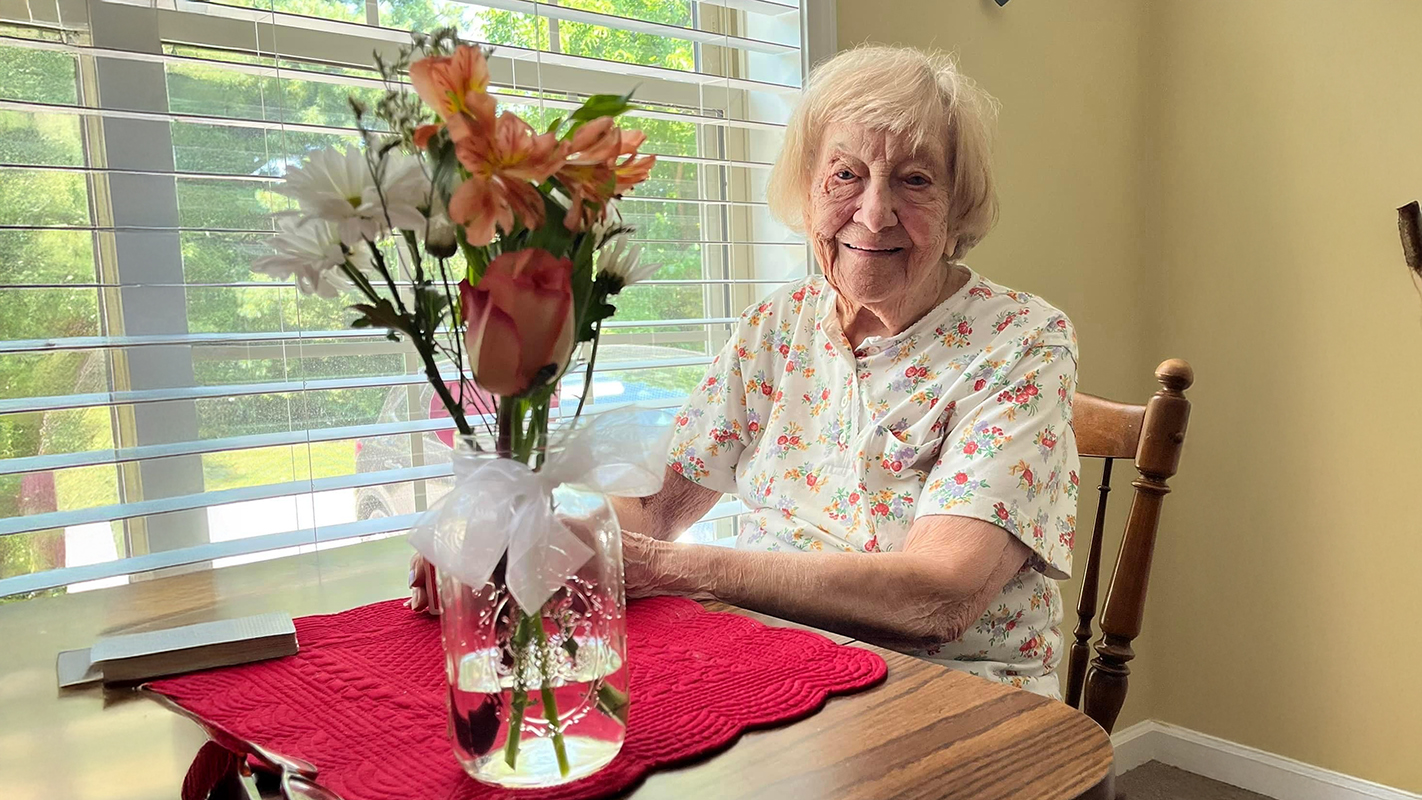
Pay attention to whether the setting really feels personalized. Look for familiar items in apartment or condos, resident art work, area bulletin board system, and spaces that appear used instead of shown. An area that feels home-like usually has indicators of lasting inhabitation. The sides are softened by daily life.
You can discover a lot by asking sensible questions too. Exactly how are choices tape-recorded? Exactly how are changes in condition connected? What happens if a resident wishes to avoid an activity or consume later? Exactly how does the neighborhood assistance a person who needs a little more support over time? These questions reveal whether the personnel sees assisted living as a static service or as a living relationship.
Here are a couple of signs that normally point in the ideal instructions:
- Residents appear comfortable in common locations and seem to understand where they are going.
- Staff participants speak to locals naturally, not just efficiently.
- Apartments and shared areas show real personal items, not common staging.
- Daily routines enable selection instead of rigid uniformity.
- The area feels tranquility, stayed in, and mindful without really feeling excessively controlled.
Those signs do not assure perfection, however they do recommend that the community comprehends what home really means.
Home is a feeling, yet it is also a practice
A home-like assisted living neighborhood does not happen by mishap. It is constructed through countless average decisions, much of them unseen. Just how the early morning handoff is done. Whether a person bears in mind a resident's recommended label. How swiftly an upkeep issue gets fixed. Whether a team member notices when a long time napper is skipping lunch. Whether the neighborhood permits people to maintain the rhythms that make them feel like themselves.
That is the genuine action of assisted living at its ideal. Not whether it looks like a home from a range, but whether people living there can still recognize their own lives inside it.
For some locals, that home sensation arrives rapidly. For others, it takes time. An action can be psychologically complicated, also when it is the ideal decision. Yet with a thoughtful environment, respectful care, and enough room for character, assisted living can end up being greater than a location of assistance. It can become a place where life continues with convenience, dignity, and an acquainted feeling of belonging.
BeeHive Homes of Goshen provides assisted living care
BeeHive Homes of Goshen provides memory care services
BeeHive Homes of Goshen provides respite care services
BeeHive Homes of Goshen supports assistance with bathing and grooming
BeeHive Homes of Goshen offers private bedrooms with private bathrooms
BeeHive Homes of Goshen provides medication monitoring and documentation
BeeHive Homes of Goshen serves dietitian-approved meals
BeeHive Homes of Goshen provides housekeeping services
BeeHive Homes of Goshen provides laundry services
BeeHive Homes of Goshen offers community dining and social engagement activities
BeeHive Homes of Goshen features life enrichment activities
BeeHive Homes of Goshen supports personal care assistance during meals and daily routines
BeeHive Homes of Goshen promotes frequent physical and mental exercise opportunities
BeeHive Homes of Goshen provides a home-like residential environment
BeeHive Homes of Goshen creates customized care plans as residents’ needs change
BeeHive Homes of Goshen assesses individual resident care needs
BeeHive Homes of Goshen accepts private pay and long-term care insurance
BeeHive Homes of Goshen assists qualified veterans with Aid and Attendance benefits
BeeHive Homes of Goshen encourages meaningful resident-to-staff relationships
BeeHive Homes of Goshen delivers compassionate, attentive senior care focused on dignity and comfort
BeeHive Homes of Goshen has a phone number of (502) 694-3888
BeeHive Homes of Goshen has an address of 12336 W Hwy 42, Goshen, KY 40026
BeeHive Homes of Goshen has a website https://beehivehomes.com/locations/goshen/
BeeHive Homes of Goshen has Google Maps listing https://maps.app.goo.gl/UqAUbipJaRAW2W767
BeeHive Homes of Goshen has Facebook page https://www.facebook.com/beehivehomesofgoshen
BeeHive Homes of Goshen won Top Assisted Living Homes 2025
BeeHive Homes of Goshen earned Best Customer Service Award 2024
BeeHive Homes of Goshen placed 1st for Senior Living Communities 2025
People Also Ask about BeeHive Homes of Goshen
What does assisted living cost at BeeHive Homes of Goshen, KY?
Monthly rates at BeeHive Homes of Goshen are based on the size of the private room selected and the level of care needed. Each resident receives a personalized assessment to ensure pricing accurately reflects their care needs. Families appreciate our clear, transparent approach to assisted living costs, with no hidden fees or surprise charges
Can residents live at BeeHive Homes for the rest of their lives?
In many cases, yes. BeeHive Homes of Goshen is designed to support residents as their needs change over time. As long as care needs can be safely met without requiring 24-hour skilled nursing, residents may remain in our home. Our goal is to provide continuity, comfort, and peace of mind whenever possible
How does medical care work for assisted living and respite care residents?
Residents at BeeHive Homes of Goshen may continue seeing their existing physicians and medical providers. We also work closely with trusted medical organizations in the Louisville area that can provide services directly in the home when needed. This flexibility allows residents to receive care without unnecessary disruption
What are the visiting hours at BeeHive Homes of Goshen?
Visiting hours are flexible and designed to accommodate both residents and their families. We encourage regular visits and family involvement, while also respecting residents’ daily routines and rest times. Visits are welcome—just not too early in the morning or too late in the evening
Are couples able to live together at BeeHive Homes of Goshen?
Yes. BeeHive Homes of Goshen offers select private rooms that can accommodate couples, depending on availability and care needs. Couples appreciate the opportunity to remain together while receiving the support they need. Please contact us to discuss current availability and options
Where is BeeHive Homes of Goshen located?
BeeHive Homes of Goshen is conveniently located at 12336 W Hwy 42, Goshen, KY 40026. You can easily find directions on Google Maps or call at (502) 694-3888 Monday through Sunday 7:00am to 7:00pm
How can I contact BeeHive Homes of Goshen?
You can contact BeeHive Homes of Goshen by phone at: (502) 694-3888, visit their website at https://beehivehomes.com/locations/goshen/, or connect on social media via Facebook
Residents may take a trip to the Bluegrass Brewing Co . Bluegrass Brewing Company provides a casual dining option suitable for assisted living and senior care family meals during respite care visits.